
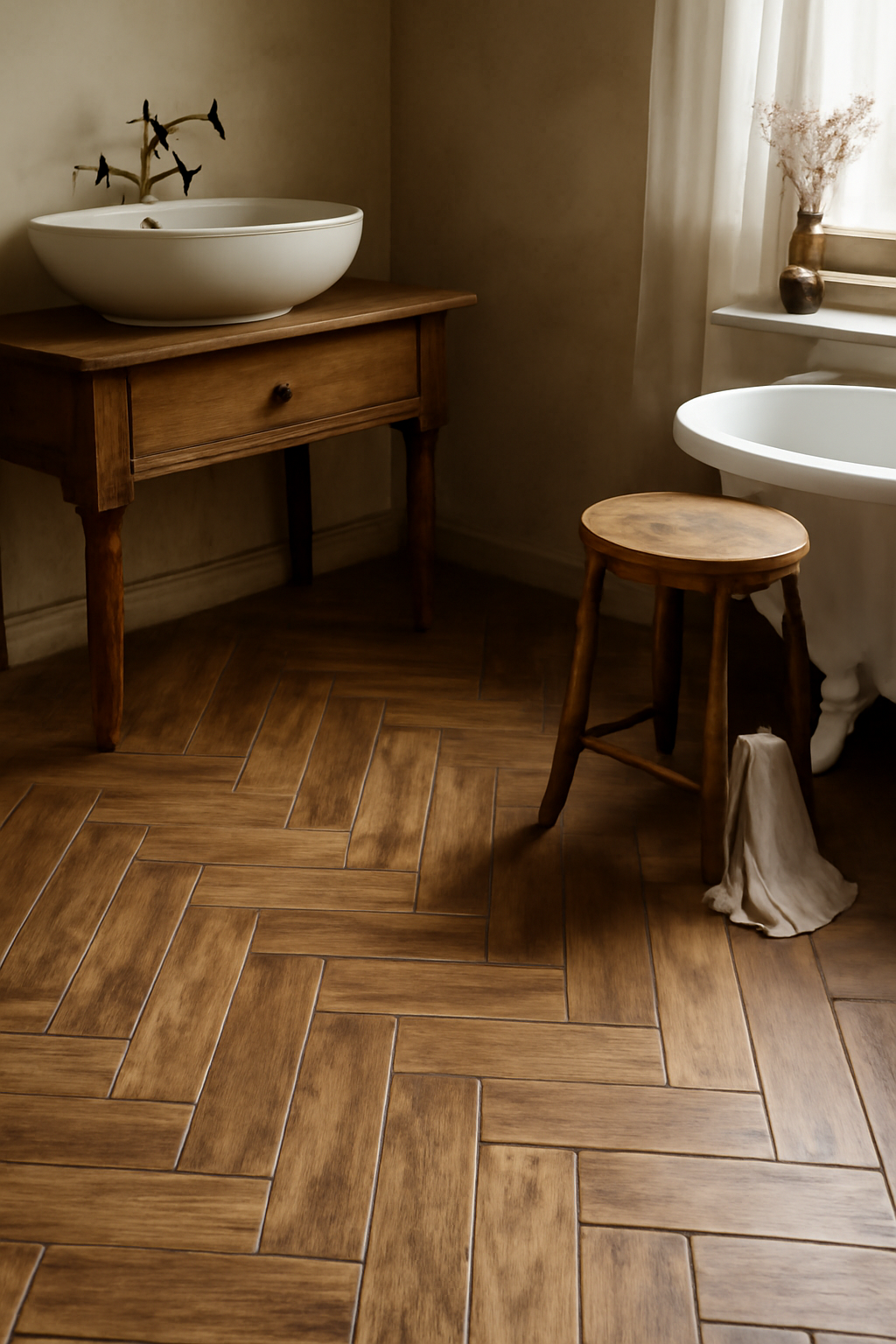
Selecting the right surface for your wet areas is a high-stakes decision for any homeowner. Whether you are tackling a DIY refresh in a Melbourne terrace or a full luxury renovation in a Gold Coast penthouse, the materials you select must withstand humidity, heavy foot traffic, and chemical cleaning agents.
This article serves as your definitive roadmap on how to choose the best bathroom tiles: a complete guide to durability and style. We will explore the technical specifications required for Australian standards, the aesthetic trends dominating the current market, and the practical steps needed to ensure your investment lasts for decades.
See more:The Rise of Trendy Subway Tiles: Bold Colors, Smart Grout Choices & New Patterns
Understanding Bathroom Tile Foundations: More Than Just Aesthetics
When we discuss bathroom tiles, we aren’t just talking about color. In a high-moisture environment, a tile acts as a critical protective barrier for your home’s structure.
What Makes a “Best” Bathroom Tile?
The “best” tile is a balance of three core pillars:
- Porosity: The ability of a tile to resist water absorption.
- Slip Resistance: Crucial for safety in zones like the shower or vanity floor.
- Hardness (PEI Rating): The measure of the glaze’s resistance to abrasion and wear.
In Australia, we often look for vitrified or porcelain options because they offer a water absorption rate of less than 0.5%, making them nearly impervious to the steam and spills common in modern bathrooms.
How to Choose the Best Bathroom Tiles: A Complete Guide to Durability and Style
To choose the best bathroom tiles, you must evaluate the specific “zone” of the bathroom. A tile that works beautifully on a feature wall may be a safety hazard on a shower floor.
1. Assessing Material Durability
Not all tiles are created equal. Here is a breakdown of the most common materials used in Australian bathrooms:
- Porcelain Tiles: The gold standard for durability. Fired at higher temperatures than ceramic, they are denser and less porous.
- Ceramic Tiles: Generally more affordable and easier to cut, making them ideal for wall applications, though often less durable for high-traffic floors.
- Natural Stone (Travertine, Marble, Slate): Provides unmatched luxury but requires regular sealing to prevent staining and water damage.
- Encaustic (Cement) Tiles: Famous for bold patterns, these are porous and require professional sealing and specific maintenance.
2. Understanding Australian Slip Ratings
Safety is paramount. In Australia, tiles are often rated using the “P” scale (Pendulum test) or “R” scale (Oil-wet inclining platform test).
| Area | Recommended Rating | Why? |
| Main Bathroom Floor | P3 or R10 | Provides a balance of grip and ease of cleaning. |
| Shower Base | P4 or R11 | Higher grip is needed for soapy, wet surfaces. |
| Feature Walls | N/A | Smooth or textured finishes are acceptable here. |
The Intersection of Durability and Style: Selecting Your Look
Choosing a style is where your personality shines through, but it must be functional. Here is how to navigate the most popular design directions in Australia today.
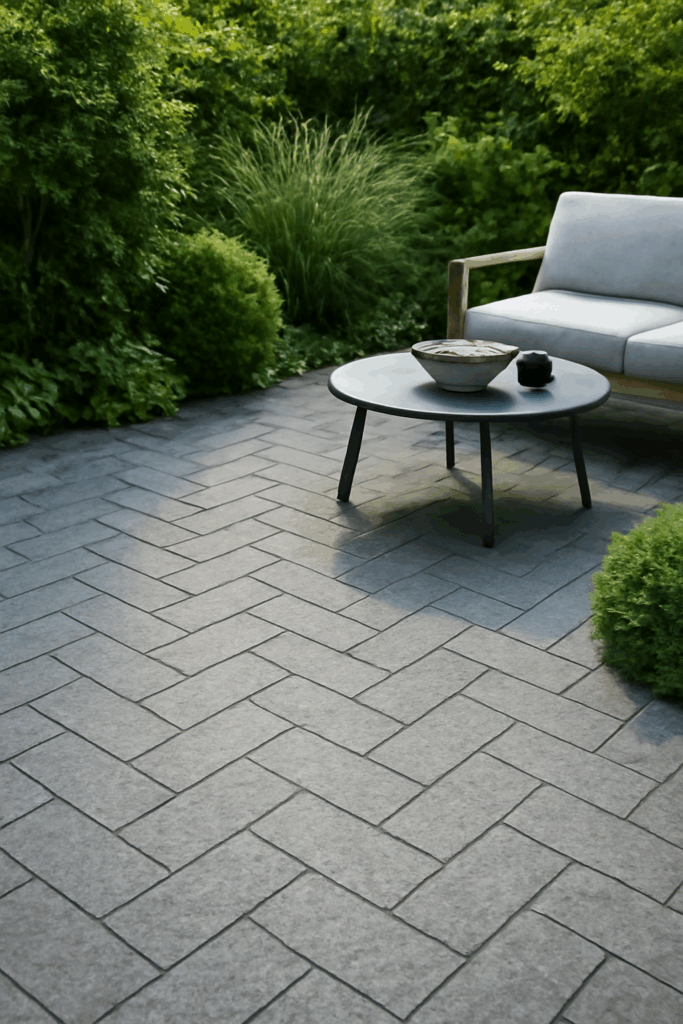
The Modern Minimalist (Concrete & Stone Looks)
Large-format porcelain tiles that mimic poured concrete or natural limestone are a staple of contemporary Australian design.
- Benefit: Fewer grout lines make the room feel larger and easier to clean.
- Pro Tip: Use a matching grout color to create a seamless, monolithic appearance.
The Coastal Retreat (Textured & Organic)
Think “Hamptons meets Byron Bay.” This style utilizes subways, “kit-kat” mosaics, or finger tiles in soft whites, seafoams, and sandy tones.
- Style Tip: Use a matte finish for a sophisticated, soft-touch feel that hides water spots better than gloss.
The Bold Statement (Pattern & Geometry)
Hexagonal tiles or Moroccan-inspired patterns are perfect for “powder rooms” where you want to make a lasting impression on guests.
Step-by-Step Process for Choosing Your Tiles
Follow this framework to ensure no technical or aesthetic detail is overlooked:
- Define Your Budget: Factor in the cost of the tiles per square meter, plus a 10-15% “wastage” margin.
- Choose Your Floor Tile First: The floor is the literal and figurative foundation. It dictates the slip resistance and the color palette for the rest of the room.
- Select Your Wall Tile: Choose a complementary color. If your floor is busy, keep the wall simple.
- Pick a Feature (Optional): Limit yourself to one feature wall or a specific niche to avoid visual clutter.
- Identify Grout Color: Grout can change the look of a tile entirely. Darker grout is easier to maintain on floors; lighter grout creates a crisp look for walls.
- Review Under Lighting: Always take samples home. The LED lighting in a showroom is vastly different from the natural light in your bathroom.
Common Mistakes to Avoid in Bathroom Tile Selection
Even seasoned renovators can stumble. Avoid these frequent pitfalls:
- Ignoring Grout Maintenance: Light grout on a bathroom floor will eventually turn grey or brown without intense cleaning. Opt for epoxy grout or darker shades for longevity.
- Over-complicating Patterns: Mixing three or more bold patterns can make a small bathroom feel claustrophobic. Stick to the “Rule of Three”: one floor, one wall, and one accent.
- Neglecting Tile Thickness: If you are tiling over existing floors, ensure the tile thickness (plus adhesive) won’t prevent the door from swinging or create a trip hazard at the doorway.
- Skipping the “Feet Test”: Before buying floor tiles, take your shoes off and walk on the sample. If it feels too rough or too slippery, it’s not the right fit for your home.
Advanced Tips for Long-Term Performance
- Rectified vs. Pressed Edges: Rectified tiles have been mechanically cut to size, allowing for ultra-thin grout lines (1.5mm), which results in a cleaner, more modern look.
- Large Format Trends: 600x600mm or 600x1200mm tiles are now the industry standard. They reduce the amount of grout—the weakest point of any tile installation—thereby increasing the overall durability of the wet area.
FAQ: Frequently Asked Questions about Bathroom Tiles
What is the easiest bathroom tile to keep clean?
Glazed porcelain tiles with a matte or satin finish are generally the easiest to maintain. They don’t show water spots as clearly as high-gloss tiles and don’t require the sealing associated with natural stone.
Can I use floor tiles on the wall?
Yes! In fact, using the same tile on both the floor and the wall (floor-to-ceiling tiling) is a popular design trick to make a small Australian bathroom feel significantly larger. However, you generally cannot use wall tiles on the floor as they are too thin and brittle.
Do I need to seal my bathroom tiles?
If you choose porcelain or ceramic, you generally only need to seal the grout. If you choose natural stone (marble, travertine) or encaustic cement tiles, the tiles themselves must be sealed before and after installation to prevent water ingress.
What is the best tile size for a small bathroom?
Contrary to popular belief, large tiles (600x600mm) often work better in small bathrooms because they create fewer visual breaks (grout lines), resulting in a more expansive feel.
Why is the PEI rating important?
The PEI (Porcelain Enamel Institute) rating tells you how much wear the tile can take. For a residential bathroom, a PEI rating of 3 is sufficient. For high-traffic commercial areas, you would look for a PEI 4 or 5.
Conclusion: Investing in Quality
Learning how to choose the best bathroom tiles: a complete guide to durability and style is about more than just picking a pretty pattern. It is about understanding the technical requirements of the Australian climate and the specific needs of your household. By prioritizing porcelain for its low porosity, ensuring your slip ratings meet safety standards, and sticking to a cohesive design language, you create a space that is both a sanctuary and a sound financial investment.
Next Steps: Measure your space, calculate your wastage, and visit a local tile gallery to see how your favorite samples look under your home’s unique lighting conditions.
Internal Linking & External References
Internal Linking Suggestions (Anchor Text Only):
- Small bathroom renovation ideas
- Waterproofing standards for Australian bathrooms
- The cost of bathroom tiling per square metre
- How to clean bathroom grout
Authoritative External References:
- Standards Australia (AS 3958.1): Guide to the installation of ceramic tiles.
- CSIRO: Testing and classification of slip resistance of resilient flooring.