
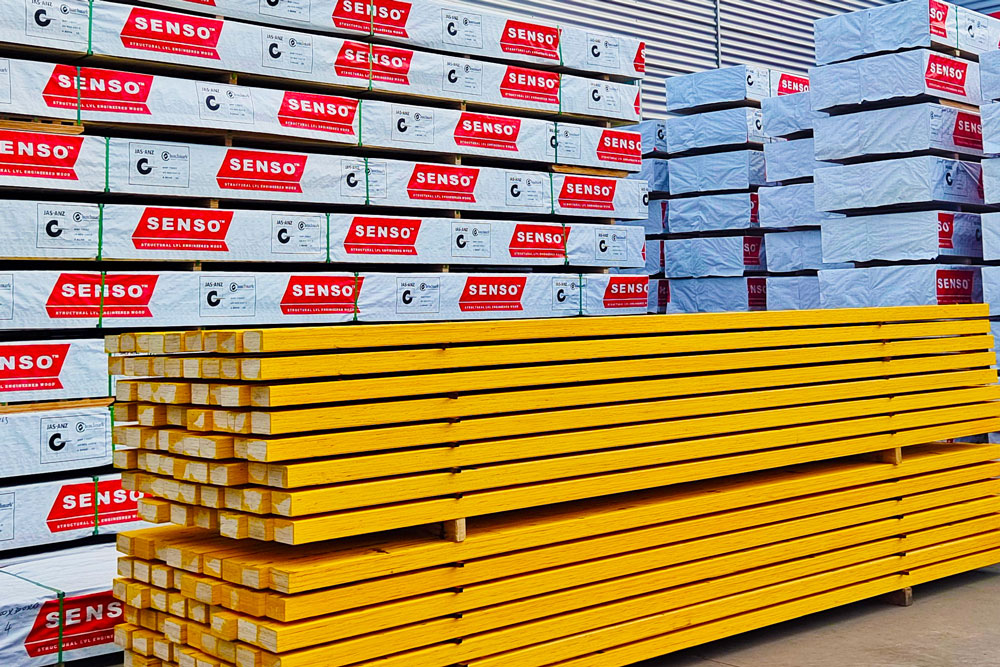
On most projects, the final figure comes down to timber specification, engineering demands, labour and handling, and how the formwork is procured, reused, and returned.
What exactly is being priced when they quote LVL formwork?
They are rarely pricing “LVL” alone. They are pricing a system that typically includes LVL bearers and joists, plywood facing, props, braces, connectors, fixings, edge protection interfaces, and often design documentation.
Because of that, timber LVL formwork prices reflect not just material volume, but also compliance, layout complexity, and how fast the system can be cycled on site.
How do span, load, and pour thickness change the LVL schedule?
Longer spans and heavier loads force the LVL member sizes up and push spacing closer together. Thicker slabs, heavy reinforcement, and construction loads from stacked materials can also require more propping and tighter centres.
When engineers increase member depth or reduce spacing, quantities rise quickly, which is one of the fastest ways timber LVL formwork prices climb on Australian commercial slabs.
Why does the LVL grade and manufacturer matter in Australia?
Not all LVL is interchangeable. Grade, stiffness, straightness tolerances, and available lengths vary by product line and supplier, and those differences affect both performance and waste.
If they must use a specific grade to satisfy an engineer or a principal contractor standard, the supply pool shrinks. That can tighten availability in peak periods and push timber LVL formwork prices higher, especially in major metro builds.
How much do drawings and slab geometry influence the cost?
Simple rectangles are cheaper to form than stepped slabs, band beams, transfer slabs, nibs, and irregular edges. Complex geometry increases cut counts, offcuts, and time spent fitting and checking levels.
More set-downs and penetrations also mean more boxing, trimming, and rework risk. Even if LVL quantities look similar, labour intensity can lift timber LVL formwork prices significantly across Australian projects.
What role does surface finish and tolerance play?
Higher finish requirements can mean better facing material, tighter joint control, and more time spent setting and cleaning. For visible soffits or architectural concrete, they may use premium formply, extra sealing, and stricter handling rules.
Those requirements affect cycle time and replacement rates, which flow straight into timber LVL formwork prices when the job demands a cleaner, more consistent finish.
How does hire versus buy affect project budgets?
Hiring can reduce upfront spend and shift some maintenance and inventory risk to the supplier, but weekly hire, damage, and late return fees add up fast. Buying can be cheaper if they can reuse components across multiple pours and projects.
The decision changes cashflow, storage needs, and the “true” cost per square metre. On many jobs, timber LVL formwork prices look lower on purchase but end up higher if reuse and recovery are poorly managed.
Why do lead times and market cycles move pricing?
Demand for structural timber products can rise sharply during major infrastructure projects and apartment construction cycles, putting pressure on availability and delivery schedules. When LVL lengths are difficult to source, suppliers may need to offer alternatives, although this can increase joins, cutting requirements, and waste. Monitoring structural timber supply early can therefore help projects manage potential delays.
Freight, fuel, and warehousing also fluctuate. In tight periods, timber LVL formwork prices often rise simply because suppliers need to prioritise stock and logistics across Australian cities.
How do transport distances and site access change costs?
Moving LVL packs and formply around Australia is not trivial. Metro congestion, regional delivery distances, ferrying to islands, and restricted delivery windows can all increase cartage and handling charges.
On site, poor access, limited laydown, and crane availability can slow unloading and distribution. Those constraints can inflate timber LVL formwork prices through additional labour, delays, and double handling.
What labour conditions on Australian sites push costs up?
Rates vary by state, enterprise agreements, project type, and whether the site is unionised. Night works, weekend pours, and short notice program changes also increase labour cost and supervision demand.
If the program requires rapid cycling, they may need larger crews, more experienced leading hands, and tighter QA. Labour is often the biggest variable inside timber LVL formwork prices once the design is set.
How does reuse, damage, and wastage affect the final rate?
LVL and formply are economical when they are reused predictably. Water exposure, poor storage, edge damage, over-nailing, and concrete contamination reduce reuse cycles and increase replacement.
If they cannot recover members cleanly, they buy more than planned or pay more in hire damage. Tight material control can materially lower timber LVL formwork prices across a multi-level build.
Why do safety and compliance requirements add cost?
Australian sites often require engineered documentation, inspections, and clear installation methods for temporary works. Edge protection integration, penetrations protection, and exclusion zones can add components and time.
If the job requires a formwork design certificate, detailed shop drawings, and sign-offs, professional fees increase. Those obligations can lift timber LVL formwork prices even when the physical quantities stay the same.
How do weather and moisture conditions influence LVL performance and cost?
Wet weather can delay pours, swell plywood edges, and reduce reusability if materials are left exposed. In coastal or high-humidity areas, they may need better storage, more frequent face replacement, and stricter handling.
Weather also affects program certainty. When delays stack up, hire periods extend and labour productivity drops, which can push timber LVL formwork prices higher than the initial estimate.
What project-program decisions change the cost per square metre?
Program drives everything: cycle time, crew size, crane time, and whether materials can be stripped and reset efficiently. Faster cycles often require more gear on hand to keep multiple levels moving.
If the builder compresses the schedule, they may pay for extra stock, overtime, or parallel crews. Program pressure is a common reason timber LVL formwork prices exceed early budget allowances.
How can they reduce LVL formwork cost without cutting corners?
They can reduce cost by simplifying geometry where possible, standardising beam widths, and aligning penetrations to minimise boxing and patching. They can also plan early procurement, confirm engineering assumptions, and lock in delivery windows.
On site, tight storage, clear labelling, controlled stripping, and prompt cleaning protect reuse cycles. These practical controls often do more to stabilise timber LVL formwork prices than chasing a cheaper headline rate.
What should they ask suppliers or contractors when comparing quotes?
They should ask what is included, what is excluded, and what assumptions sit behind spacing, propping, and reuse. They should also confirm whether design, certification, delivery, crane unload, damage, and off-hire terms are included.
The most useful comparison is a like-for-like scope with clear program dates. That approach helps them compare timber LVL formwork prices fairly across Australian suppliers and formwork subcontractors.
What is the simplest way to think about LVL formwork pricing on Australian jobs?
They can organise the main cost factors into four categories: design requirements, material quantities, labour productivity, and time spent on hire or in storage. Understanding these factors alongside LVL timber formwork storage and handling requirements helps construction teams manage material use, reduce avoidable waste, and keep project costs under control.
If they control geometry, program, handling, and reuse, they usually control the outcome. That is the most reliable way to keep timber LVL formwork prices predictable on Australian projects.
FAQs (Frequently Asked Questions)
What components are included in timber LVL formwork pricing?
Timber LVL formwork pricing typically covers a system that includes LVL bearers and joists, plywood facing, props, braces, connectors, fixings, edge protection interfaces, and often design documentation. Prices reflect not only material volume but also compliance requirements, layout complexity, and the speed at which the system can be cycled on site.
How do span length, load demands, and slab thickness affect timber LVL formwork costs?
Longer spans and heavier loads require larger LVL member sizes and closer spacing. Thicker slabs with heavy reinforcement or construction loads demand more propping and tighter centres. These factors increase quantities of materials quickly, driving up timber LVL formwork prices on Australian commercial slab projects.
Why is the choice of LVL grade and manufacturer important in Australia?
Not all LVL products are interchangeable. Differences in grade, stiffness, straightness tolerances, and available lengths impact performance and waste levels. Specifying certain grades to meet engineer or contractor standards reduces supplier options, tightening availability during peak periods and increasing timber LVL formwork prices especially in major metropolitan builds.
In what ways do slab geometry and design complexity influence timber LVL formwork pricing?
Simple rectangular slabs are more cost-effective to form compared to stepped slabs, band beams, transfer slabs, nibs, or irregular edges. Complex geometries increase cutting needs, offcuts, fitting time, level checking, set-downs, penetrations boxing, trimming work and rework risk—all contributing to higher labour intensity and thus higher timber LVL formwork prices across Australian projects.
How do surface finish requirements affect the cost of timber LVL formwork?
Higher finish standards necessitate better facing materials like premium formply, tighter joint control, extra sealing measures, stricter handling rules, and more time spent setting and cleaning. These factors increase cycle times and replacement rates leading to elevated timber LVL formwork prices when architectural concrete or visible soffits demand cleaner and more consistent finishes.
What impact do hire versus purchase decisions have on timber LVL formwork budgets?
Hiring reduces upfront expenditure by shifting maintenance and inventory risks to the supplier but can accumulate high weekly fees plus charges for damage or late returns. Purchasing may be cheaper if components are reused across multiple pours or projects; however poor reuse management can lead to higher overall costs. The decision affects cash flow, storage needs, and the true cost per square metre for timber LVL formwork.