

People often assume the choice is just “modern vs classic”. In practice, it is about flexibility, comfort, space planning, and how they want the room to work day to day.
What exactly is a modular sofa?
A modular sofa is a lounge made from individual sections, often including corner units, armless seats, chaises, and ottomans, that connect together. Those sections can typically be reconfigured to suit a different layout, a new room, or a growing household.
Most setups allow them to create an L-shape, a straight line, or separated seats. It is a “build it your way” approach that is popular in Australian open plan living.
What is considered a regular lounge in Australia?
A regular lounge is usually a fixed sofa, such as a 2-seater, 3-seater, chaise lounge, or recliner suite with one permanent shape. It can be moved around the room, but the seating configuration does not meaningfully change.
For renters or anyone who prefers a set-and-forget setup, a regular lounge can feel simpler. It is also common in formal living rooms where the layout rarely changes.
How does a modular sofa change room layout options?
A modular sofa gives them more control over how the seating fits the space, especially in tricky Australian living rooms with sliding doors, hallways, or open plan kitchen connections. They can shift the chaise side, add a corner, or split sections when they want more flow.
This is useful when the room serves multiple purposes, such as TV, entertaining, and kids’ play. Instead of forcing the room to suit the furniture, they can make the furniture suit the room.
Does a modular sofa suit small Australian homes and apartments?
Yes, a modular sofa can work well in smaller spaces if they choose the right scale and configuration. In apartments across Sydney, Melbourne, and Brisbane, the ability to use fewer pieces at first and expand later can be a practical advantage.
The key is avoiding oversized corner blocks that swallow the room. Many people do better with compact modules and a movable ottoman rather than a bulky fixed chaise.
How is comfort different between modular and regular lounges?
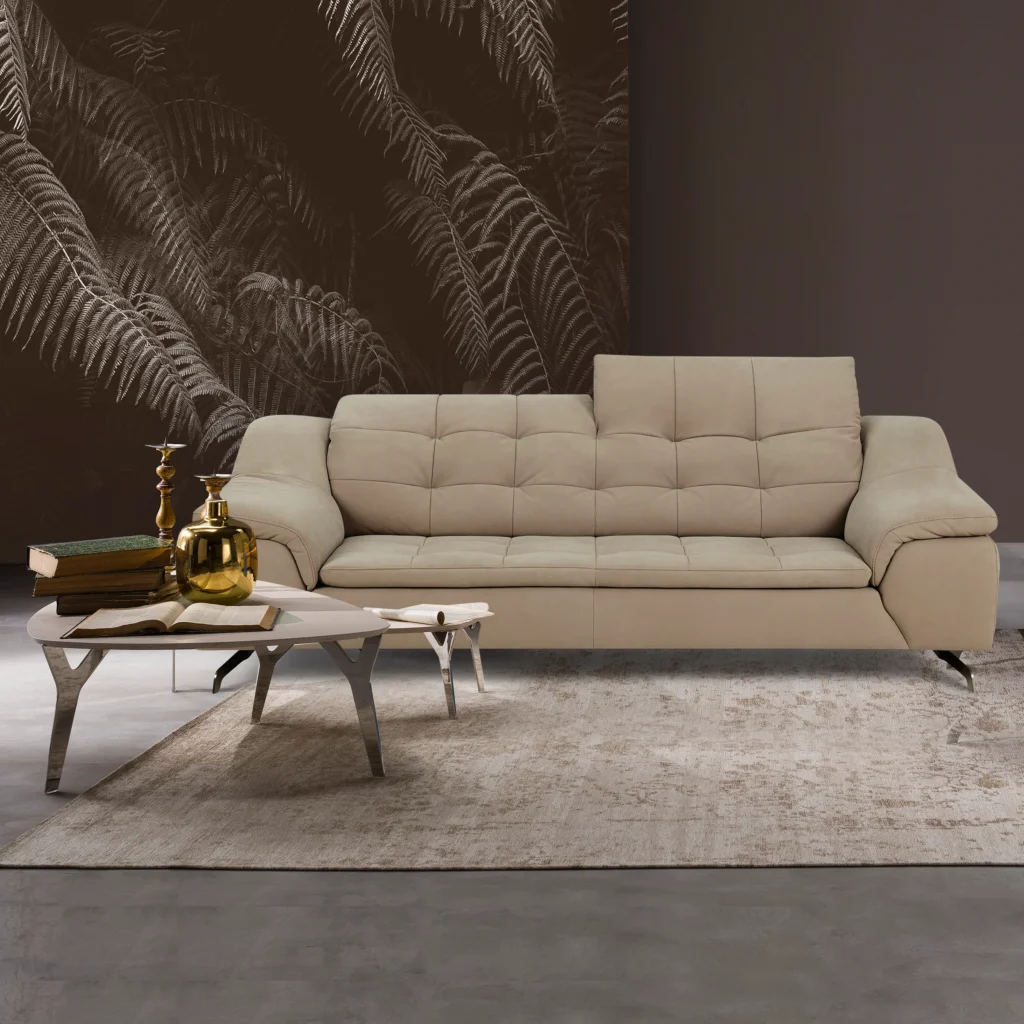
Comfort depends more on cushioning, seat depth, and support than on whether it is modular. That said, a modular sofa often comes in deeper, more relaxed styles that suit casual Australian living and long TV sessions.
A regular lounge can feel more “structured”, especially in classic designs with upright backs and firmer seats. People who want a lounge for posture or formal sitting may lean that way, while those chasing a laid-back feel may prefer modular.
Which option is easier to move between homes?
A modular sofa is generally easier to move because it can be separated into smaller sections that fit through doorways, lifts, and stairwells. Modular sofas Australia homeowners choose can be particularly practical in terrace houses, apartments with tight corridors, and properties with narrow entrances where moving a single large sofa can be difficult.
A regular lounge, particularly a large 3-seater or a fixed chaise, can be harder to angle through doors. For frequent movers, modular can reduce the risk of wall damage and moving-day stress.
What about delivery access and tight doorways in Australian builds?
Many Australian apartments and townhouses have limited access, including small lifts, tight staircases, and sharp hallway turns. A modular sofa can be delivered in separate pieces, making access far simpler than a single bulky frame.
They should still measure carefully, including lift dimensions and door widths. It also helps to check whether legs can be removed and whether connectors add extra width at the base.
Is a modular sofa better for growing families?
Often, yes. A modular sofa can adapt when they add a baby, need more seating for kids’ friends, or want a layout that creates a play zone in the living room.
They can start with a smaller configuration and add modules later if the range stays available. This flexibility can be a big win for Australian families who expect their space needs to change over time.
How do modular lounges handle entertaining compared to regular lounges?
A modular sofa can make entertaining easier because they can shape seating around conversation, not just around the TV. They might split sections for extra chairs, create a U-shape for a group, or open up a walkway for food and drinks.
A regular lounge offers a predictable seating arrangement and can create a neat, balanced appearance in a styled living room. Standard lounge sofas are less adaptable, however, when the number of guests changes or the room needs to be cleared quickly for entertaining or other activities.
Are modular sofas more expensive than regular lounges?
Not always, but they can be. A modular sofa may cost more upfront because it uses multiple frames and connectors, and many are sold as premium “build-a-suite” ranges.
However, the long-term value can be strong if they can replace a single damaged module instead of an entire lounge. Pricing in Australia also varies widely depending on fabric grade, foam quality, and whether it is locally made or imported.
What durability issues should they watch for with modular sofas?
The main durability points are frame strength, connector quality, and how well the modules stay aligned over time. A modular sofa with weak clips can drift apart, especially on smooth floors like polished concrete or timber, which are common in Australian homes.
They should also check the suspension system and foam density, because deep seats can feel great at first but sag if the internals are low quality. Asking about warranty coverage on frames and cushions helps.
Do modular sofas look messier than regular lounges?
They can if the modules separate slightly or if cushions shift. A well-designed modular sofa should sit flush, with consistent seat heights and neat joins that do not draw attention.
Regular lounges often look more “finished” because there are fewer seams and fewer moving parts. If appearance is the top priority, they may prefer a modular range with tailored upholstery and strong connectors.
How do cleaning and maintenance compare?
Cleaning depends on fabric choice, but a modular sofa can be easier to maintain because they can access gaps, move sections to vacuum, and sometimes rotate modules for more even wear.
Regular lounges are simpler in construction, which can reduce dust-trap joins. In Australian households with kids, pets, or coastal sand, they should prioritise durable, cleanable upholstery and consider removable covers if available.
Which option is better for renters in Australia?
A modular sofa often suits renters because it is easier to move and can adapt to different rental layouts. When they shift from a narrow living room to an open plan space, they can reconfigure rather than replace.
A regular lounge can still be a good pick if they want a lighter, smaller footprint and do not plan to move often. The best choice comes down to how frequently their living situation changes.
Can they customise a modular lounge more than a regular lounge?
Yes. A modular sofa usually offers more configuration options, and many Australian retailers let them choose fabric, leg style, chaise side, and module count. That makes it easier to match a specific room size and lifestyle.
Regular lounges can still offer fabric choice and sometimes chaise direction, but the overall shape tends to be fixed. Modular gives them more control over both look and function.
What should they measure before buying either type?
They should measure room width, wall lengths, and key walkways, then map likely configurations. For a modular sofa, they also need to confirm the exact size of each module and how connectors affect total length.
In Australian open plan spaces, it helps to measure the path from kitchen to living and the clearance to sliding doors. If the lounge blocks movement, the room will feel cramped regardless of style.
How do they decide between a modular sofa and a regular lounge?
They should choose a modular sofa if they value flexibility, expect to move, or want seating that can change with the household. They should choose a regular lounge if they want a fixed shape, a more formal look, or a simpler setup with fewer joins.
A practical approach is to think about the next three years, not just the current room. If their needs will shift, modular is often the safer long-term bet.
What is the simplest takeaway for Australian buyers?
A modular sofa is different because it is built to change, while a regular lounge is built to stay the same. For Australian homes where layouts, rentals, and family needs often evolve, that adaptability can be the deciding factor.
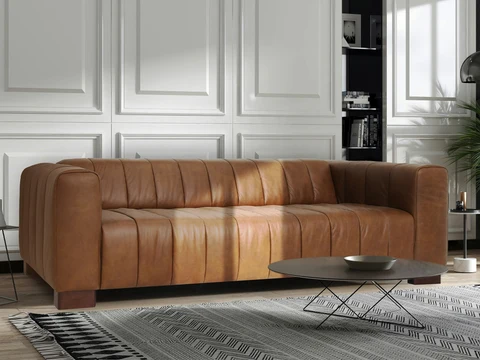
If they prioritise a clean, classic silhouette and do not plan to change the room layout, a regular lounge may be the ideal choice. However, modular leather sofas can offer greater flexibility for households that want seating that adapts to changing layouts, entertaining needs, and everyday life.
FAQs (Frequently Asked Questions)
What is a modular sofa and how does it differ from a regular lounge?
A modular sofa is made up of individual sections like corner units, armless seats, chaises, and ottomans that connect together and can be rearranged to suit different layouts or room changes. In contrast, a regular lounge typically has a fixed frame with one permanent shape, such as a 2-seater or recliner suite, offering less flexibility in seating configuration.
How does a modular sofa benefit Australian homes with open plan living?
Modular sofas offer great flexibility for Australian open plan living by allowing homeowners to customize seating arrangements to fit tricky spaces with sliding doors, hallways, or kitchen connections. They can change the layout easily to create L-shapes, straight lines, or separated seats, making the furniture suit the room rather than forcing the room to suit the furniture.
Are modular sofas suitable for small Australian apartments and homes?
Yes, modular sofas can work well in smaller Australian homes and apartments if chosen in the right scale and configuration. They allow starting with fewer pieces and expanding later, which is practical for growing households. Opting for compact modules and movable ottomans instead of oversized corner blocks helps avoid overwhelming the space.
Which type of lounge offers better comfort: modular sofa or regular lounge?
Comfort mainly depends on cushioning, seat depth, and support rather than whether the sofa is modular or regular. Modular sofas often feature deeper, more relaxed styles suited for casual Australian living and long TV sessions. Regular lounges tend to have more structured designs with upright backs and firmer seats, preferred by those seeking posture support or formal sitting.
Is moving a modular sofa easier compared to a regular lounge in Australian homes?
Generally, yes. Modular sofas break down into smaller sections that fit through doorways, lifts, and stairwells more easily—important considerations in Australian terrace houses and apartments with narrow entrances. Regular lounges with large fixed frames can be harder to maneuver during moves, increasing risk of damage and stress.
Can modular sofas adapt to changing family needs over time?
Absolutely. Modular sofas are ideal for growing families because they can start with a smaller setup and add modules as needed—whether adding seating for kids’ friends or creating play zones. This adaptability supports evolving space requirements common in many Australian households.